


TL;DR: Rosemary essential oil isn't one consistent material. Depending on where the plant grew, the same species yields oils dominated by 1,8-cineole, by camphor, or by α-pinene and verbenone — which is why one rosemary smells like a herb garden and another like a medicine cabinet. We use rosemary leaf oil as a supporting note in our Lemongrass line, never the lead: a little adds structure, a lot reads as medicinal. The honest tradeoffs are sensitization potential and oxidation on the shelf. We don't claim it makes our cleaners antibacterial.
Rosemary is the oil most people can identify blind. Crush a sprig and you get something instantly recognizable — green, resinous, a little sharp, faintly like a cough drop at the edges. That's useful in a cleaning product and also a liability, because rosemary sits right on the line between "someone is cooking" and "someone is unwell."
Which makes it a good test case for how essential oils actually earn a place in a cleaner. The interesting question isn't whether rosemary is good — it's how much of it belongs in a bottle, and why.
What rosemary oil actually is
Botanically, rosemary got renamed in 2017. A DNA study in Taxon compared sequences across Salvia, Rosmarinus, and several small related genera, found them all equally related, and folded the smaller genera into Salvia. The plant is now properly Salvia rosmarinus; ingredient labels, ours included, still use the older INCI name rosmarinus officinalis.
Rosemary essential oil is overwhelmingly monoterpenes — roughly 95 to 98 percent by weight, with only about 2 to 5 percent sesquiterpenes. The compounds named most often are 1,8-cineole (eucalyptol), camphor, and α-pinene, with borneol, camphene, limonene, linalool, verbenone, and bornyl acetate behind them.
What matters more than that list is that rosemary comes in chemotypes — permanent differences in oil chemistry driven by where the plant grew, when it was harvested, how it was distilled. Same botany, different oil. Researchers sort rosemary into three: cineoliferum (high in 1,8-cineole), camphoriferum (camphor above roughly 20 percent), verbenoniferum (verbenone above roughly 15 percent). Those map loosely onto geography — cineole-dominant oils with France, Greece, Italy, and Tunisia; camphor-borneol with Spain; α-pinene and verbenone with Corsica and Algeria.
Even within one origin the numbers move: rosemary from different bioclimatic zones of southern Spain ran α-pinene around 13 percent, 1,8-cineole around 20 to 21 percent, camphor around 17 to 19 percent. Two suppliers can both sell you honest, unadulterated rosemary oil and hand you materials that behave differently in a formula.

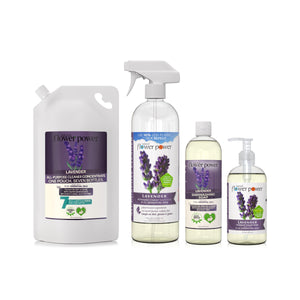
What we make for this



How it gets out of the plant
Rosemary oil is steam distilled from leaf and flowering tops. Steam at around 100°C passes through the plant material, the volatile oil vaporizes with it, the vapor condenses, and the oil separates from the water. Yields run roughly 1 to 2.5 percent of fresh biomass, best in spring and autumn. Runs are kept short — often under half an hour — because the most characterful molecules are the first a long, hot distillation destroys.
Global production is modest: estimates land around 250 to 300 metric tons a year, with Spain, Tunisia, and Morocco the dominant origins. Per-country tonnages vary between sources, so treat any single figure with suspicion. What stays consistent is the chemotype split — cineole-type rosemary mostly out of Morocco and Tunisia, camphor-type mostly out of Spain.
That's also where adulteration pressure lives: rosemary is cheap enough to be a commodity and distinctive enough that a stretched oil still smells roughly right to most noses. It's why choosing an essential oil supplier is a longer conversation than who has the best price. We've made everything ourselves in Cameron Park, California since 2012, so a batch that smells off is ours to catch.
The scent: herb garden, not medicine cabinet
Rosemary's job in our products is structural. On its own it reads herbaceous, clean, and slightly camphorous — the way a crushed sprig smells. Next to citrus it does something specific: it stops the citrus reading as candy. Lemon and lemongrass are both bright and a little sweet, and a bright-sweet cleaner smells like a product. A little rosemary underneath pulls it green, so the room smells actively cared for rather than perfumed.
The failure mode is just as specific, and camphor does most of that work — the same compound family behind vapor rubs and mothballs. A cineole-forward rosemary at a low percentage sits in "herb garden." A camphor-heavy rosemary at a higher percentage sits in "medicine cabinet," and no amount of citrus rescues it. Which is why a rosemary note is usually small when it's done well.
Worth naming what rosemary doesn't do. A well-cited 2012 study in Therapeutic Advances in Psychopharmacology had 20 volunteers perform mental tasks in a cubicle diffused with rosemary aroma; performance correlated with the 1,8-cineole in their blood afterward. Interesting — but twenty people, correlational, and a sealed aroma cubicle is not a kitchen counter. We're not going to tell you our dish soap helps you concentrate.
Why it's never the headline in our line
We use rosmarinus officinalis (rosemary) leaf oil as a supporting note in our Lemongrass products — hand soap, dish soap, air freshener. Lemongrass leads, lemon lifts, rosemary grounds. It's listed by name on the label, at the position it actually occupies, rather than buried under "fragrance," a single word that can legally stand in for a long list of undisclosed aroma chemicals. We also sell it undiluted in 1 fl oz amber glass, because customers kept asking what that note smelled like alone.
What we don't do is build a germ-kill story around it. Rosemary oil and its constituents have been studied for antimicrobial and antioxidant activity in the lab, and that literature is real — but activity in a petri dish at research concentrations isn't efficacy on your countertop at the fraction of a percent that belongs in a consumer product. Our cleaners are cleaners: not disinfectants, not registered as antibacterial. Anyone selling an essential oil as a sanitizer substitute is skipping several steps — part of why the line between essential oils and fragrance oils gets oversold in both directions.
Compare that with the oils we do build around. Lemongrass carries a whole line on its own; so does lavender. Rosemary can't. Some ingredients are leads and some are seasoning.
The honest tradeoffs: sensitization and oxidation
Rosemary is not a hypoallergenic ingredient. Allergic contact dermatitis from rosemary is documented in the dermatology literature — including a published case caused by rosemary leaf extract in a cleansing gel — but as case reports rather than a common finding. In predictive testing, rosemary oil showed low reactivity in a cysteine-depletion assay yet was still classified positive for sensitization potential. What we could not find is population-level patch-test prevalence for rosemary oil specifically. So: real, apparently uncommon, frequency unquantified.
Oxidation is better documented, and it isn't about rosemary specifically — it's about terpenes. Limonene and linalool, both present in rosemary oil and in the great majority of essential oils, oxidize on contact with air into hydroperoxides that are substantially stronger sensitizers than the parent compounds. Patch testing shows it clearly: in non-oxidized form both rarely produce reactions, while standardized oxidized preparations produce them regularly. In one multi-country study of roughly 2,900 dermatitis patients, 281 reacted to oxidized R-limonene or oxidized linalool.
The practical translation: an oil that was gentle at distillation isn't the same oil after two summers in a warm cupboard. That's why single oils ship in amber glass with a tight cap, why cool dark storage (roughly 41–68°F) is the standard recommendation, and why freshness is a safety variable and not just a quality one.
If you have a known fragrance sensitivity, patch test any scented cleaner — ours included — on a small area and watch for a delayed reaction over a few days. If you'd rather remove the variable entirely, our Free & Clear line has no added fragrance at all.
Pets, kids, and what the sources actually say
Rosemary occupies an unusual position here, and precision beats reassurance. The ASPCA's plant database lists rosemary (Rosmarinus officinalis, family Lamiaceae) as non-toxic to dogs, cats, and horses. That's the herb — the plant on your cutting board — and it's a meaningfully different listing from what you'll find for some other aromatics.
Concentrated essential oil is a separate question, and the ASPCA treats it separately. Their guidance singles out tea tree oil as a concentrated-oil hazard — as few as seven or eight drops can cause problems — and describes exposure signs including unsteadiness, low body temperature, vomiting, and diarrhea. The advice: don't apply concentrated oils to animals, keep bottles inaccessible, make sure a diffuser can't be knocked over. Short diffuser use somewhere a pet can't reach is not likely to be an issue, they say, but avoid diffusers around pets with breathing problems, and entirely around birds.
We're not going to extend any of that into calling our products pet-safe. The defensible version is narrower: the plant carries a non-toxic listing from the ASPCA, the documented cautions attach to concentrated oil rather than a diluted rinse-off product, and rosemary in our formulas is a minor note by design.
Camphor deserves its own line, since rosemary carries it. The toxicology concern is ingestion of concentrated camphor products, not a trace in a cleaner: the FDA capped camphor in over-the-counter products at 11 percent in 1983 after a run of pediatric poisoning cases, and the pediatric literature reports seizures at ingested doses in the hundreds of milligrams to about a gram. That's not a hazard profile for a rosemary note in hand soap — it is a good reason "do not ingest" is printed on every undiluted oil we sell. Our guide to essential oils in cleaning covers the category, and lemongrass is the oil rosemary sits beside most often.
Where to start
To meet rosemary where we actually use it, start with the Lemongrass hand soap — lemongrass, lemon, and rosemary leaf oil, in that order of prominence, on the product your hands meet most often. The air fresheners are the other place the note earns its keep; the Lemongrass version is 99% plant-derived and bio-based, and it neutralizes and then fades instead of camping out in a room for a week. If you'd rather smell rosemary alone first, the essential oils collection has it undiluted and steam distilled.
Every NFP product is backed by our 90-Day Love-It Guarantee — if it doesn't work for your household, for any reason, we make it right. With a scent this polarizing that matters more than usual. Some people smell an herb garden and some smell a medicine cabinet, and no amount of chemistry on our end decides which you are. Let your nose settle it.
