
This ingredient is used in our products.
What It Is
Rosemary oil is an essential oil steam-distilled from the leaves and flowering tops of Rosmarinus officinalis (now reclassified as Salvia rosmarinus), an evergreen shrub in the mint family native to the Mediterranean (CAS 8000-25-7). The oil is a colorless to pale yellow liquid with a fresh, herbaceous, camphoraceous scent. Its primary chemical components include 1,8-cineole (typically 38%-55%), camphor (5%-15%), and alpha-pinene (9%-14%), with the exact ratios varying by chemotype and geographic origin. Rosemary oil functions as a fragrance ingredient in cleaning products and air fresheners.
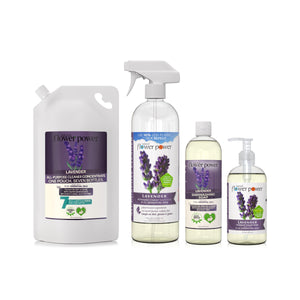
What we make for this



Common Uses
Rosemary oil is used in air fresheners, all-purpose cleaners, shampoos, skin care products, candles, and aromatherapy preparations. In cleaning products, it contributes a fresh, herbaceous scent that pairs well with citrus and mint essential oils. Rosemary oil is also used in food flavoring (the herb itself is a culinary staple) and in traditional medicine for its reputed cognitive and circulatory effects. Spain, Tunisia, and Morocco are the largest global producers of rosemary essential oil.
How It Works
Rosemary oil's scent profile comes from the interplay of three main compounds. 1,8-cineole provides the fresh, penetrating camphoraceous note -- the same compound that dominates eucalyptus oil. Camphor adds a warm, slightly woody undertone. Alpha-pinene contributes a sharp, pine-like freshness. The overall effect is a clean, herbaceous aroma that reads as "fresh" and "green" without being floral.
Rosemary oil has documented antioxidant and mild antimicrobial properties. Carnosic acid and rosmarinic acid (found in the plant material but at low levels in the distilled oil) are strong antioxidants. The antimicrobial activity of rosemary essential oil is modest compared to thyme or tea tree oil, but it has shown activity against several common bacterial strains in laboratory settings (Bozin et al., 2007).
Safety and Regulation
The FDA classifies rosemary oil as GRAS for food use (21 CFR 182.20). IFRA permits rosemary oil in all product categories with application-specific concentration limits. The primary components of rosemary oil -- 1,8-cineole, camphor, and alpha-pinene -- are not classified as fragrance allergens under EU cosmetic regulations, though limonene (present in small amounts) is listed and requires declaration above specified thresholds.
Rosemary oil's camphor content is the primary safety consideration. Camphor is a convulsant at high doses and toxic if ingested in concentrated form. The amounts present in finished cleaning products and air fresheners are far below toxicological concern. Skin sensitization to rosemary oil is uncommon at typical cosmetic and cleaning product concentrations.
Rosemary oil should be avoided during pregnancy at therapeutic doses (this caution appears in aromatherapy literature), though the trace amounts in household cleaning products are not considered a risk.
Why Natural Flower Power Uses It
Natural Flower Power uses rosemary oil in its air fresheners, specifically in the Lemongrass scent blend.
Rosemary oil is a supporting scent note rather than a standalone feature in our formulations. In the Lemongrass air freshener, we use a small amount of rosemary oil to add herbal depth to the citrus-forward lemongrass and lemon oil base. Without it, the scent reads as flat citrus. With it, there is a subtle green, camphoraceous undertone that makes the overall blend more complex and more natural-smelling. The amount we use is small enough that most people would not identify rosemary as a distinct note -- it functions as a scent modifier rather than a featured ingredient.
We also sell pure rosemary essential oil as a standalone essential oil.
Related Ingredients
Eucalyptus oil shares 1,8-cineole as a primary component, giving it some aromatic overlap with rosemary oil. Lemongrass oil is paired with rosemary oil in NFP's air freshener blend. Thyme oil is a related herbaceous essential oil with stronger antimicrobial activity but a warmer, less camphoraceous scent. Lavender oil is another mint-family essential oil often used alongside rosemary in cleaning product formulations.
Sources
- Bozin, B., et al. "Antimicrobial and Antioxidant Properties of Rosemary and Sage Essential Oils." Journal of Agricultural and Food Chemistry, vol. 55, no. 19, 2007, pp. 7879-7885.
- U.S. Food and Drug Administration. 21 CFR 182.20 -- Essential Oils, GRAS.
- Tisserand, R., and Young, R. Essential Oil Safety. 2nd ed., Churchill Livingstone/Elsevier, 2014.
