
What It Is
Synthetic musks are a class of laboratory-produced fragrance chemicals designed to replicate or evoke warm, musky base notes. The two most common synthetic musks in consumer products are galaxolide (HHCB, CAS 1222-05-5) and tonalide (AHTN, CAS 21145-77-7), both polycyclic musks. Older nitro musks (musk xylene, musk ketone) have been largely phased out due to toxicity concerns. Synthetic musks function as fragrance fixatives and base notes in cleaning and personal care products.
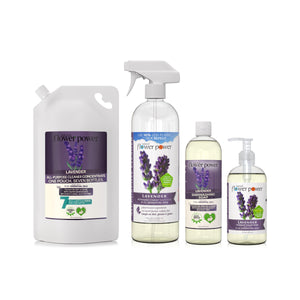
What we make for this



Common Uses
Synthetic musks are used in laundry detergents, fabric softeners, air fresheners, household cleaners, perfumes, body lotions, and shampoos. They are valued for their long-lasting scent -- synthetic musks evaporate slowly, which is why they are used as base notes and fixatives that anchor more volatile top notes. Galaxolide alone accounts for an estimated 30%-50% of all polycyclic musk use globally. Because they appear under the generic "fragrance" label, most consumers are unaware of their presence in products.
How It Works
Synthetic musks provide scent through the same mechanism as other fragrance chemicals -- they volatilize and interact with olfactory receptors. Their distinguishing characteristic is low volatility: they evaporate much more slowly than terpenes (the compounds that dominate essential oils), which is why they produce a scent that lingers for hours or days. In fragrance formulation, synthetic musks serve as the "base" that keeps the overall scent detectable long after lighter top notes have evaporated.
This persistence in the air mirrors their persistence in biological and environmental systems. The same chemical stability that makes them long-lasting fragrance ingredients also makes them resistant to biodegradation.
Safety and Regulation
Synthetic musks, particularly galaxolide and tonalide, are bioaccumulative -- they accumulate in human adipose tissue, blood, and breast milk. Studies have detected polycyclic musks in human blood serum and breast milk at measurable concentrations across multiple countries (Reiner and Kannan, 2006). They also accumulate in aquatic organisms and have been detected in surface water and wastewater treatment effluent.
The EU has restricted nitro musks (musk xylene, musk ketone) in cosmetics due to phototoxicity and carcinogenicity concerns. Polycyclic musks like galaxolide and tonalide are not currently restricted in the EU or US, though they are under ongoing review. Some studies have reported weak estrogenic and anti-estrogenic activity for galaxolide in laboratory assays (Schreurs et al., 2005), though the health significance at environmental exposure levels is debated.
IFRA permits both galaxolide and tonalide with concentration limits that vary by product type.
Why Natural Flower Power Does Not Use Them
Natural Flower Power does not use synthetic musks or any synthetic fragrance chemicals in any product.
We use pure essential oils for fragrance, and essential oils do not contain musk compounds. This means our products do not produce the kind of long-lingering scent that synthetic musks provide -- and that is an intentional tradeoff. Our air fresheners are designed to mix with the air, neutralize odors, smell great for a while, and then leave. They are not designed to persist for hours or days. The environmental persistence and bioaccumulation profile of synthetic musks reinforces our preference for essential oil-based fragrance systems that volatilize fully and break down in the environment.
Related Ingredients
Synthetic fragrances (undisclosed blends) is the umbrella category that includes synthetic musks. Synthetic limonene is another category of synthetic fragrance chemical. Diethyl phthalate (DEP) is a phthalate commonly used alongside synthetic musks as a fragrance fixative. Lavender oil and other essential oils are the plant-derived fragrance alternatives Natural Flower Power uses.
Sources
- Reiner, J.L., and Kannan, K. "Polycyclic Musks in Water, Sediment, and Fishes from the Upper Hudson River." Chemosphere, vol. 64, no. 2, 2006, pp. 174-182.
- Schreurs, R.H., et al. "In Vitro and In Vivo Antiestrogenic Effects of Polycyclic Musks in Zebrafish." Environmental Science & Technology, vol. 39, no. 9, 2005, pp. 3326-3332.
