
What It Is
Formaldehyde is a simple aldehyde compound with the chemical formula CH2O (CAS 50-00-0). It is a colorless gas with a sharp, pungent odor at room temperature. In aqueous solution (formalin), it has been used as a preservative and disinfectant for over a century. Formaldehyde is also produced naturally in small amounts by living organisms as a metabolic byproduct. In the context of consumer products, formaldehyde is relevant both as a direct preservative ingredient (now rare) and as a substance released by formaldehyde-releasing preservatives (FRPs) such as DMDM hydantoin, quaternium-15, and imidazolidinyl urea.
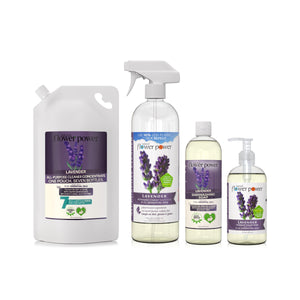
What we make for this



Common Uses
Direct use of formaldehyde as a cosmetic preservative has declined sharply. It still appears in some nail hardening products and hair smoothing treatments (Brazilian blowout-type products). Formaldehyde's primary commercial uses today are in building materials (plywood, particleboard), resins, textiles, and as a laboratory fixative and embalming agent. In household products, formaldehyde exposure is more commonly associated with off-gassing from building materials and furniture than from cleaning products. Formaldehyde-releasing preservatives remain in use in some personal care and cleaning products, though their use is also declining.
How It Works
As a preservative, formaldehyde works by cross-linking amino groups in microbial proteins and nucleic acids. This irreversible chemical modification denatures enzymes and disrupts DNA replication, effectively killing bacteria, fungi, and viruses. Formaldehyde is one of the most effective broad-spectrum antimicrobials known -- its centuries of use in embalming and laboratory preservation demonstrate this.
The same chemical reactivity that makes formaldehyde an effective preservative also makes it a hazard to human tissue. Formaldehyde reacts with proteins in human skin, respiratory tissue, and eyes, causing irritation, sensitization, and -- with chronic exposure -- mutagenic effects.
Safety and Regulation
Formaldehyde is classified as a known human carcinogen by the National Toxicology Program (NTP, 14th Report on Carcinogens) and as a Group 1 carcinogen by the International Agency for Research on Cancer (IARC, 2012). The primary carcinogenic risk is from inhalation -- chronic occupational exposure to formaldehyde vapor is associated with nasopharyngeal cancer and leukemia.
The EU Cosmetics Regulation bans formaldehyde as a cosmetic preservative except in nail hardening products at concentrations up to 5% (with mandatory labeling). Products that contain formaldehyde-releasing preservatives must include the warning "contains formaldehyde" if the formaldehyde concentration exceeds 0.05%. In the United States, the FDA does not ban formaldehyde in cosmetics but requires it to be listed on ingredient labels when present.
OSHA sets a permissible exposure limit (PEL) of 0.75 ppm as an 8-hour time-weighted average for workplace air and a short-term exposure limit of 2 ppm. These limits reflect the respiratory hazards of formaldehyde vapor.
Why Natural Flower Power Does Not Use It
Natural Flower Power does not use formaldehyde directly, nor does it use any formaldehyde-releasing preservatives.
This is one of the clearest exclusion decisions in our formulation standards. Formaldehyde is a known human carcinogen, and we see no reason to introduce it -- directly or through FRPs -- into products designed for everyday household use. Some brands use formaldehyde-releasing preservatives (DMDM hydantoin, quaternium-15, imidazolidinyl urea, diazolidinyl urea) because they are effective and inexpensive. Our preservation system uses BIT, which achieves effective preservation without releasing formaldehyde at any concentration.
Related Ingredients
DMDM hydantoin, quaternium-15, imidazolidinyl urea, and diazolidinyl urea are all formaldehyde-releasing preservatives that slowly release formaldehyde over time to preserve products. Benzisothiazolinone (BIT) is the preservative Natural Flower Power uses -- it does not release formaldehyde.
Sources
- National Toxicology Program. "14th Report on Carcinogens: Formaldehyde." U.S. Department of Health and Human Services, 2016.
- International Agency for Research on Cancer. "Formaldehyde." IARC Monographs, vol. 100F, 2012.
- U.S. Occupational Safety and Health Administration. "Formaldehyde." OSHA Standard 1910.1048.
