
What It Is
Sodium hypochlorite is an inorganic compound with the chemical formula NaOCl (CAS 7681-52-9). In consumer products, it is commonly known as chlorine bleach or liquid bleach. Commercial household bleach is typically a 3%-8% aqueous solution of sodium hypochlorite. It is a strong oxidizing agent that functions as a disinfectant, sanitizer, and bleaching agent. Sodium hypochlorite has been used in water treatment and household disinfection for over a century.
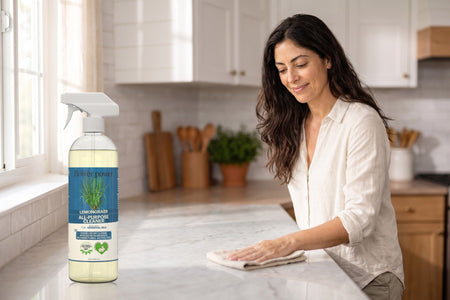
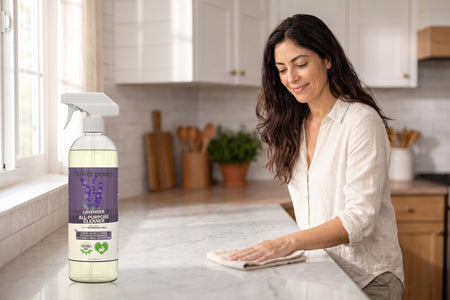
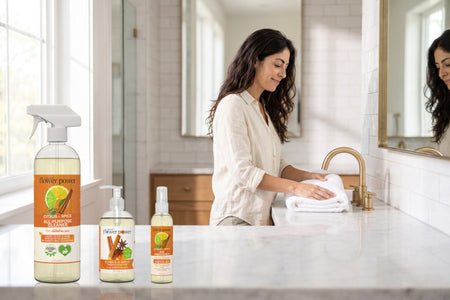
What we make for this
Common Uses
Sodium hypochlorite is used in household bleach products, disinfecting cleaners, toilet bowl cleaners, mold and mildew removers, laundry bleach, and municipal water treatment. It is one of the most widely used disinfectants globally. Dilute sodium hypochlorite solutions (0.05%-0.5%) are also used in healthcare settings for surface disinfection and wound irrigation. It is registered with the EPA as an antimicrobial active ingredient.
How It Works
Sodium hypochlorite dissociates in water to form hypochlorous acid (HOCl) and hypochlorite ion (OCl-). Hypochlorous acid is the primary active antimicrobial species -- it penetrates microbial cell walls and oxidizes intracellular proteins, enzymes, and nucleic acids. This oxidative damage is rapid and broad-spectrum, effective against bacteria, viruses, fungi, and bacterial spores. As a bleaching agent, hypochlorous acid oxidizes chromophore molecules in stains, breaking the chemical bonds responsible for color and rendering them colorless.
The pH of the solution determines the ratio of hypochlorous acid to hypochlorite ion. Below pH 7.5, hypochlorous acid predominates (more antimicrobially active). Above pH 7.5, the less active hypochlorite ion predominates. Commercial bleach solutions are typically pH 11-13, which stabilizes the product for storage but means the active form develops when the bleach is diluted with water for use.
Safety and Regulation
Sodium hypochlorite is a respiratory and skin irritant. Inhalation of chlorine gas (released when bleach contacts acids or is heated) can cause coughing, chest tightness, and in severe cases, pulmonary edema. The most common household poisoning scenario involving bleach is mixing it with an acid-based cleaner (producing chlorine gas) or with ammonia-based cleaners (producing chloramine gas). Poison control centers in the US receive thousands of calls annually related to bleach exposure (AAPCC, Annual Reports).
Direct skin contact with concentrated bleach causes chemical burns. Diluted solutions (as used in household cleaning) can cause skin irritation with prolonged or repeated contact. Sodium hypochlorite is corrosive to metals and can damage fabrics, wood, and stone surfaces.
Environmentally, chlorine-based disinfectants can form chlorinated organic compounds (including trihalomethanes) when they react with organic matter in wastewater. These byproducts are regulated in drinking water due to potential carcinogenicity.
Why Natural Flower Power Does Not Use It
Natural Flower Power does not use sodium hypochlorite or any chlorine-based ingredients in any product.
Our products are cleaning products, not disinfectants. Our all-purpose cleaners, hand soaps, and dish soaps work by using surfactants to remove dirt, grease, and microorganisms from surfaces and skin so they can be rinsed away. This is different from disinfection, which kills microorganisms on contact. Bleach is effective at what it does, but it comes with respiratory risks, surface damage risks, and environmental concerns that are unnecessary for the type of everyday cleaning our products are designed for. If you need to disinfect a surface after cleaning it, bleach-based products exist for that purpose -- but the everyday cleaning step does not require bleach.
Related Ingredients
Hydrogen peroxide is another oxidizing agent used in household cleaning and disinfection, with a different safety profile than sodium hypochlorite. Triclosan is a synthetic antimicrobial that was used in antibacterial soaps before its FDA ban. Decyl glucoside and other surfactants are the cleaning agents Natural Flower Power uses instead of oxidizing disinfectants.
Sources
- American Association of Poison Control Centers (AAPCC). Annual Reports of the National Poison Data System.
- U.S. Environmental Protection Agency. Sodium Hypochlorite Registration. epa.gov.
- World Health Organization. "Chlorine in Drinking-water." Background Document for Development of WHO Guidelines for Drinking-water Quality, 2003.
