
What It Is
Diethyl phthalate (DEP) is a phthalate ester with the chemical formula C12H14O4 (CAS 84-66-2). It is a colorless, odorless, oily liquid produced by esterification of phthalic acid with ethanol. DEP is the most commonly used phthalate in personal care and fragrance applications. It functions primarily as a fragrance fixative (it slows the evaporation of fragrance chemicals, making scents last longer) and as a solvent and plasticizer.
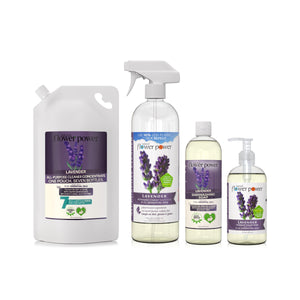
What we make for this



Common Uses
DEP is used in perfumes, colognes, fragranced lotions, hair sprays, deodorants, and some household products as a fragrance carrier and fixative. Because it is considered part of the fragrance blend, DEP typically appears under the generic "fragrance" or "parfum" listing on ingredient labels rather than being disclosed by name. DEP is also used as a plasticizer in some pharmaceutical coatings and industrial applications. It is the most frequently detected phthalate in personal care products in biomonitoring studies (Hauser and Calafat, 2005).
How It Works
As a fragrance fixative, DEP works by reducing the vapor pressure of volatile fragrance chemicals. When DEP is blended with aroma compounds, it acts as a non-volatile solvent that slows their evaporation rate. This is why products containing DEP-based fragrance systems produce scents that linger for hours or days -- the DEP holds the fragrance chemicals in the liquid or on the skin surface, releasing them gradually instead of all at once.
DEP also improves the spreadability and skin feel of fragranced products, acting as a vehicle that helps distribute fragrance chemicals evenly.
Safety and Regulation
DEP is not currently banned or restricted in cosmetics in the United States or the EU. The CIR Expert Panel concluded that DEP is safe for use in cosmetics (CIR, 2002). However, DEP is part of the broader phthalate class, and all phthalates are under increasing regulatory and scientific scrutiny.
DEP has been detected in the urine of more than 95% of the US population tested in NHANES biomonitoring studies, reflecting widespread exposure through personal care products and other sources (Silva et al., 2004). Some epidemiological studies have reported associations between urinary DEP metabolite levels and reproductive outcomes, altered hormone levels, and respiratory effects, though causal relationships have not been established (Hauser and Calafat, 2005).
DEP has weaker endocrine-disrupting potential than longer-chain phthalates like DBP and DEHP, but it is the phthalate to which most people have the highest personal care-related exposure due to its prevalence in fragranced products. The Consumer Product Safety Improvement Act (CPSIA, 2008) permanently banned three phthalates (DEHP, DBP, BBP) from children's toys but did not include DEP in the ban.
Why Natural Flower Power Does Not Use It
Natural Flower Power does not use diethyl phthalate or any phthalate in any product.
DEP enters most products as part of synthetic fragrance blends, which we do not use. Since all scent in our products comes from pure essential oils, there is no need for a fragrance fixative. Essential oils evaporate naturally -- that is part of how they work -- and we do not add chemicals to slow that process. The result is that our products do not produce scents that linger for hours, but they also do not introduce phthalate exposure. Given that DEP shows up in the urine of virtually every American tested, eliminating unnecessary exposure sources is a reasonable formulation choice.
Related Ingredients
Dibutyl phthalate (DBP) is a longer-chain phthalate with stronger endocrine-disrupting activity. DEHP and BBP are other phthalates with established reproductive toxicity concerns. Synthetic fragrances are the primary vehicle through which DEP enters consumer products.
Sources
- Hauser, R., and Calafat, A.M. "Phthalates and Human Health." Occupational and Environmental Medicine, vol. 62, no. 11, 2005, pp. 806-818.
- Silva, M.J., et al. "Urinary Levels of Seven Phthalate Metabolites in the U.S. Population." Environmental Health Perspectives, vol. 112, no. 3, 2004, pp. 331-338.
- Cosmetic Ingredient Review (CIR). "Amended Safety Assessment of Diethyl Phthalate." 2002.
