
What It Is
Dibutyl phthalate (DBP) is a phthalate ester with the chemical formula C16H22O4 (CAS 84-74-2). It is a colorless, oily liquid produced by esterification of phthalic acid with n-butanol. DBP functions primarily as a plasticizer (making plastics flexible) and as a solvent in nail polishes and some other cosmetic formulations. It has been identified as a reproductive toxicant and endocrine disruptor with significantly stronger activity than diethyl phthalate (DEP).
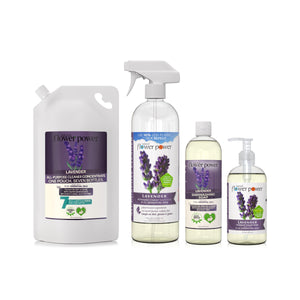
What we make for this



Common Uses
DBP has been used in nail polishes (as a chip-resistant film former), hair sprays, insect repellents, and as a plasticizer in PVC and cellulose plastics. Its use in cosmetics has declined significantly due to regulatory restrictions. DBP is also used in some adhesives, printing inks, and industrial coatings. Many major cosmetic brands have voluntarily removed DBP from their formulations.
How It Works
In nail polish, DBP functions as a plasticizer -- it integrates between polymer chains in the dried film, preventing them from packing too tightly. This keeps the nail polish flexible and chip-resistant rather than brittle. As a solvent, DBP dissolves other ingredients and helps maintain a uniform liquid formulation before application.
Safety and Regulation
DBP is classified as a substance of very high concern (SVHC) under the EU REACH regulation due to its reproductive toxicity (Category 1B). The EU Cosmetics Regulation bans DBP in cosmetic products (Annex II, Entry 347). The CPSIA permanently bans DBP in children's toys and child care articles at concentrations above 0.1%.
Animal studies have demonstrated that DBP causes anti-androgenic effects, including reduced testosterone production, testicular atrophy, and impaired reproductive development in male offspring exposed in utero (NTP-CERHR, 2003). These effects occur through disruption of fetal Leydig cell function. The European Chemicals Agency (ECHA) identifies DBP as toxic to reproduction and has recommended authorization requirements for its industrial use.
DBP is not classified as a carcinogen by IARC or NTP.
Why Natural Flower Power Does Not Use It
Natural Flower Power does not use dibutyl phthalate or any phthalate in any product.
DBP is banned in EU cosmetics and banned in US children's products for documented reproductive toxicity. It has no function in cleaning product formulations like ours -- it is primarily a nail polish plasticizer and industrial plasticizer. Our exclusion of all phthalates as a class is a formulation standard that covers DBP along with DEP, DEHP, and BBP. Since we use no synthetic fragrances (the primary pathway for phthalate exposure in cleaning products), phthalates have no route into our formulations.
Related Ingredients
Diethyl phthalate (DEP) is a shorter-chain phthalate with weaker endocrine activity but wider consumer exposure. DEHP is the most widely used industrial phthalate plasticizer, also banned in children's products. Benzyl butyl phthalate (BBP) is another phthalate with reproductive toxicity concerns.
Sources
- NTP-CERHR. "Monograph on the Potential Human Reproductive and Developmental Effects of Di-n-Butyl Phthalate (DBP)." NIH Publication No. 03-4486, 2003.
- European Chemicals Agency (ECHA). SVHC Identification: Dibutyl Phthalate. echa.europa.eu.
- Consumer Product Safety Improvement Act (CPSIA), Section 108, 2008.
