
What It Is
Synthetic limonene is a manufactured version of d-limonene, the cyclic monoterpene that is the primary aroma chemical in citrus essential oils (CAS 5989-27-5 for d-limonene). Chemically, synthetic d-limonene is identical to the d-limonene found naturally in orange oil, lemon oil, and other citrus oils. It is produced industrially from alpha-pinene (derived from turpentine) or through other chemical synthesis routes. Synthetic limonene functions as a fragrance chemical and solvent in cleaning products.
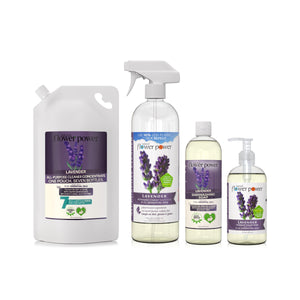
What we make for this



Common Uses
Synthetic limonene is used in household cleaners, industrial degreasers, air fresheners, and as a fragrance component in cleaning and personal care products. It is also used as a bio-solvent in paint strippers, adhesive removers, and industrial cleaning applications. Because it is chemically identical to natural d-limonene, it produces the same orange-citrus scent. Synthetic limonene is cheaper and more supply-consistent than cold-pressed citrus essential oils, which depend on seasonal fruit harvests and agricultural conditions.
How It Works
Synthetic limonene works exactly like natural d-limonene -- it volatilizes to produce a citrus scent and acts as a mild solvent that can dissolve oils and greases. The molecular structure is identical, so the olfactory receptor interaction is the same. The difference between synthetic limonene and the d-limonene in natural citrus oils is context: in an essential oil, d-limonene is accompanied by hundreds of other compounds (aldehydes, esters, terpenes) that create a complex, nuanced citrus scent. Synthetic limonene on its own produces a flatter, more one-dimensional "citrus" note.
Safety and Regulation
The safety profile of synthetic d-limonene is identical to natural d-limonene -- they are the same molecule. D-limonene is classified as GRAS by the FDA for food use (21 CFR 182.60). Limonene is listed as a fragrance allergen under EU cosmetic regulations (EC No 1223/2009) and must be declared on labels above specified thresholds.
As with natural limonene, oxidation is the primary safety concern. Oxidized limonene forms hydroperoxides that are significantly more allergenic than fresh limonene (Karlberg et al., 1992). The oxidation risk is the same regardless of whether the limonene is natural or synthetic.
Why Natural Flower Power Does Not Use It
Natural Flower Power does not use synthetic limonene in any product.
We use cold-pressed orange oil and lemon oil, which naturally contain high concentrations of d-limonene alongside the aldehydes and minor terpenes that give these oils their full, recognizable citrus scent. Synthetic limonene is cheaper and more consistent, but it lacks the complexity -- cold-pressed orange oil contains decanal, octanal, myrcene, and dozens of other trace compounds that contribute to a richer, more natural-smelling citrus character. Our commitment to using pure essential oils rather than synthetic fragrance chemicals extends to individual aroma compounds like limonene. If it says "orange oil" on our label, the entire scent comes from actual orange peels.
Related Ingredients
Orange oil contains 90%-97% natural d-limonene alongside complex minor compounds. Lemon oil contains 60%-80% natural d-limonene with a different minor compound profile. Synthetic fragrances often include synthetic limonene as one component. Lemongrass oil has a citrus-like scent but derives it from citral rather than limonene.
Sources
- Karlberg, A.T., et al. "Air Oxidation of d-Limonene Creates Potent Allergens." Contact Dermatitis, vol. 26, no. 5, 1992, pp. 332-340.
- U.S. Food and Drug Administration. 21 CFR 182.60 -- d-Limonene GRAS.
- European Commission. Regulation (EC) No 1223/2009. Annex III.
