
What It Is
Sodium hydroxide — NaOH (CAS 1310-73-2) — is an inorganic strong base produced commercially by the electrolysis of brine (the chlor-alkali process). It is sold as white pellets, flakes, or concentrated aqueous solutions. Sodium hydroxide is one of the most industrially important chemicals on Earth, used in pulp and paper manufacturing, aluminum refining, soap saponification, water treatment, and chemical synthesis.
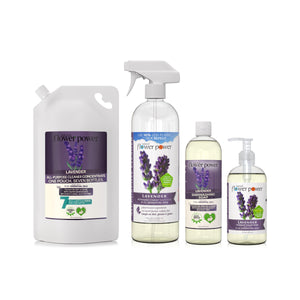
What we make for this



Common Uses
In consumer cleaning products, sodium hydroxide appears as the primary active ingredient in drain cleaners (Drano Max Gel, Liquid-Plumr), oven cleaners (Easy-Off), some heavy-duty degreasers, and traditional soap-making (the saponification reaction between lye and oil produces soap). In professional cleaning, it appears in commercial dishwasher detergents, floor strippers, and industrial degreasers. Concentrations in consumer drain cleaners typically range from 25% to 50% by weight — far above the threshold for severe tissue damage.
How It Works
In drain cleaners, sodium hydroxide dissolves organic clogs (hair, grease, food matter) through saponification and hydrolysis. The hydroxide ion saponifies fats and oils into water-soluble soaps, breaks peptide bonds in proteins like hair, and dissolves cellulosic materials. The reaction is exothermic, generating heat that helps melt fatty clogs. In oven cleaners, the same chemistry breaks down carbonized food deposits. The reactivity that makes sodium hydroxide effective at dissolving organic material is also what makes it hazardous to skin, eye, and respiratory tissue, which are themselves organic.
Safety and Regulation
The Globally Harmonized System (GHS) classifies sodium hydroxide as Skin Corrosion Category 1A and Serious Eye Damage Category 1 — the most severe classifications for these hazards. OSHA sets a workplace exposure limit (Permissible Exposure Limit) of 2 mg/m³ as a ceiling value for airborne sodium hydroxide. The American Association of Poison Control Centers reports tens of thousands of exposures to sodium hydroxide consumer products annually, with caustic drain cleaners causing the most severe pediatric burn injuries among household chemical exposures. The CDC ToxFAQs profile notes that ingestion of concentrated sodium hydroxide causes immediate destruction of the mouth, esophagus, and stomach. Sodium hydroxide is permitted in consumer products with hazard warning labels per the Federal Hazardous Substances Act.
Why Natural Flower Power Does Not Use It
Natural Flower Power does not use sodium hydroxide in any finished product.
Lye is an effective drain cleaner because it dissolves organic matter — which is also what makes it catastrophic to spill on a person. Our product line is designed for everyday household cleaning, not for emergency clog removal. The Free & Clear, Lavender, Citrus & Spice, Lemongrass, and Peppermint & Lemon all-purpose cleaners we make are formulated near skin-neutral pH (around 6–8) so that contact with hands during normal use is comfortable and safe. If you need to clear a drain or strip a heavily carbonized oven, a dedicated caustic product exists for that purpose and should be used with full personal protective equipment and label compliance — but routine cleaning does not require it, and we will not build it into a daily-use formulation.
Related Ingredients
Sodium hypochlorite (chlorine bleach) is another caustic cleaning agent with separate safety concerns. Citric acid is the plant-derived mild acid Natural Flower Power uses for gentle pH adjustment instead of strong bases. 2-Butoxyethanol is another aggressive cleaning solvent we do not use.
Sources
- United Nations. Globally Harmonized System of Classification and Labelling of Chemicals (GHS), 9th revised edition, 2021 — Sodium Hydroxide classification.
- Occupational Safety and Health Administration (OSHA). "Occupational Chemical Database: Sodium Hydroxide." OSHA Standard 1910.1000 Table Z-1.
- Agency for Toxic Substances and Disease Registry (ATSDR). "Medical Management Guidelines for Sodium Hydroxide." U.S. Department of Health and Human Services.
- American Association of Poison Control Centers. Annual Reports of the National Poison Data System.
