
What It Is
Monoethanolamine — MEA, 2-aminoethanol, HOCH2CH2NH2 (CAS 141-43-5) — is a clear, colorless, viscous liquid with a strong ammonia-like odor. It is the smallest of the three commercially important ethanolamines, alongside diethanolamine (DEA) and triethanolamine (TEA). MEA is produced industrially by reacting ammonia with ethylene oxide. It functions as an alkaline pH adjuster, an emulsifier, an absorbent for carbon dioxide and hydrogen sulfide, and a building block for synthesizing other surfactants and detergents.
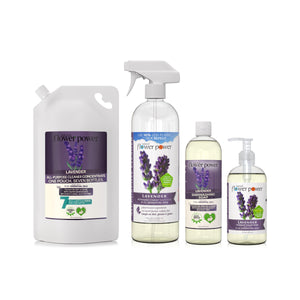
What we make for this



Common Uses
MEA appears in heavy-duty floor cleaners, glass cleaners, oven cleaners, paint strippers, wood polishes, and some shampoos and hair colorants (where it functions as an alkalizing agent in hair dye formulations). It is also used industrially in natural gas processing, pharmaceutical manufacturing, and as a feedstock in producing other ethanolamines and surfactant chemicals. MEA-based cleaners are commonly identified by a strong ammoniacal smell — a distinguishing characteristic at concentrations above about 0.5%.
How It Works
MEA raises the pH of cleaning solutions through its amine group, which accepts protons from water to form an alkaline solution. Alkaline pH (typically 9–11 in MEA-based cleaners) saponifies grease and dissolves protein-based soils, which is why MEA appears in heavy-duty kitchen and oven cleaners. As an emulsifier, MEA's combination of hydroxyl and amine functional groups stabilizes oil-in-water mixtures. In hair colorants, MEA's alkalinity opens the hair cuticle to allow dye penetration — a function ammonia historically performed, but with a less acute respiratory profile.
Safety and Regulation
The Cosmetic Ingredient Review Expert Panel concluded that MEA is safe in cosmetic products at concentrations up to 5% in rinse-off formulations and lower limits in leave-on formulations (CIR, 1983; reaffirmed). The European Cosmetics Regulation permits MEA in cosmetics with concentration limits and a requirement that products not contain nitrosating ingredients (which can react with MEA to form nitrosamines). MEA is a documented respiratory and skin irritant — OSHA sets a workplace exposure limit (Permissible Exposure Limit) of 3 ppm (8-hour time-weighted average) for airborne MEA. The American Conference of Governmental Industrial Hygienists has set a similar Threshold Limit Value. The European Chemicals Agency lists MEA as a substance that causes serious eye damage and may cause respiratory irritation under REACH classification.
Why Natural Flower Power Does Not Use It
Natural Flower Power does not use monoethanolamine, diethanolamine, or triethanolamine in any product.
All three ethanolamines share a common reactivity profile that we choose to avoid — they can react with nitrite preservatives to form nitrosamines, they carry varying respiratory irritation potential, and they are not necessary in plant-derived cleaning formulations. We use citric acid for pH adjustment in the acidic direction and small amounts of sodium-based salts where alkaline buffering is needed, both of which deliver the functional roles ethanolamines provide without the nitrosamine pathway. Excluding the whole class is simpler than defending each individual ethanolamine separately.
Related Ingredients
Diethanolamine (DEA) and Triethanolamine (TEA) are the other two ethanolamines Natural Flower Power excludes. Cocamide DEA is a coconut-derived surfactant that contains a DEA functional group, also excluded. Citric acid is the plant-derived pH adjuster we use instead.
Sources
- Cosmetic Ingredient Review (CIR) Expert Panel. "Final Report on the Safety Assessment of Triethanolamine, Diethanolamine, and Monoethanolamine." Journal of the American College of Toxicology, vol. 2, no. 7, 1983, pp. 183–235.
- European Chemicals Agency (ECHA). "Substance Information: Ethanolamine." Classification and Labelling Inventory.
- Occupational Safety and Health Administration (OSHA). "Occupational Chemical Database: Ethanolamine." OSHA Standard 1910.1000 Table Z-1.
- European Commission. Regulation (EC) No 1223/2009. Annex III — concentration limits for ethanolamines in cosmetics.
