
This ingredient is used in our products.
What It Is
SD Alcohol 40B is a specially denatured (SD) form of ethanol — grain alcohol that has been made undrinkable by the addition of a denaturing agent (in this case, denatonium benzoate, an extremely bitter compound). The "40B" designation refers to the specific denaturing formula approved by the U.S. Alcohol and Tobacco Tax and Trade Bureau (TTB). SD Alcohol 40B functions as a solvent, carrier, and preservative in spray-format products.
What we make for this

Common Uses
SD Alcohol 40B appears in air freshener sprays, room sprays, perfumes, hairsprays, and some cosmetic products. In spray products, it serves multiple functions simultaneously: it dissolves and carries fragrance or essential oil compounds, helps the spray dry quickly after application, and provides antimicrobial preservation that prevents microbial growth in the formula. It is one of the most commonly used denatured alcohols in consumer products.
How It Works
As a solvent, SD Alcohol 40B dissolves essential oils and other hydrophobic compounds, allowing them to be mixed into a water-based formula and sprayed as a fine, even mist. When the spray lands on a surface or disperses in the air, the alcohol evaporates quickly — much faster than water — which helps release the fragrance rapidly and prevents the spray from leaving wet spots on surfaces.
As a preservative, the ethanol concentration creates an environment that inhibits microbial growth. This is the same antimicrobial principle behind hand sanitizers, though in air freshener formulations the alcohol concentration is lower.
Safety and Regulation
Ethanol is Generally Recognized As Safe (GRAS) by the FDA for many applications. The specific denaturing formula (40B) adds denatonium benzoate at very low levels — enough to prevent ingestion but not enough to affect product performance or safety during normal use.
SD Alcohol 40B is not classified as a carcinogen or reproductive toxicant. Inhalation of ethanol vapors at high concentrations can cause respiratory irritation, but at the concentrations present in consumer air freshener sprays, exposure levels during normal use are well below occupational exposure limits. The product should be used as directed — sprayed into the air in ventilated spaces, not directly inhaled.
Ethanol is readily biodegradable and does not bioaccumulate in the environment.
Why Natural Flower Power Uses It
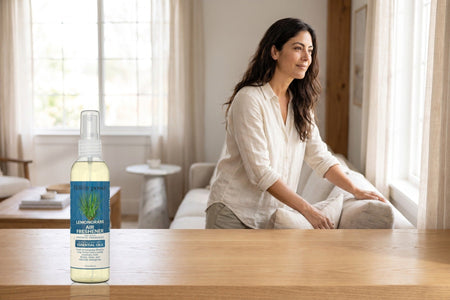
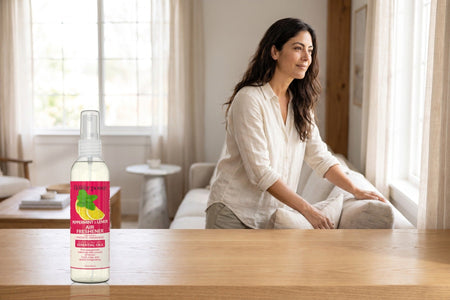
Natural Flower Power uses SD Alcohol 40B in its air fresheners.
Our air fresheners are water-based sprays scented with pure essential oils. Essential oils do not dissolve easily in water on their own — they need help. SD Alcohol 40B is part of the solubilizing system (alongside polysorbate 20 and alcohol ethoxylates) that keeps the essential oils evenly dispersed so every spray delivers a consistent burst of scent.
The alcohol also gives our air freshener sprays their quick-drying property. A spray that stays wet on surfaces or settles as droplets would leave residue on furniture, fabrics, and countertops. The alcohol evaporates quickly enough to prevent that. And because it also acts as a preservative, it reduces our reliance on additional preservative ingredients in the air freshener formula — which is why BIT is not needed in this product line.
Related Ingredients
Polysorbate 20 is another emulsifier in NFP's air freshener formula that works alongside SD Alcohol 40B to keep essential oils dispersed. C6-C12 / C10-C16 alcohol ethoxylates are plant-based emulsifiers that serve a complementary solubilizing role in the same formula. Benzisothiazolinone (BIT) is the preservative used in NFP's other product lines where alcohol is not part of the formula.
Sources
- U.S. FDA. Generally Recognized As Safe (GRAS) substances database.
- U.S. Alcohol and Tobacco Tax and Trade Bureau (TTB). Specially Denatured Spirits Formulas.
