
This ingredient is used in our products.
What It Is
Polysorbate 20 (also known as polyoxyethylene (20) sorbitan monolaurate) is a nonionic emulsifier and surfactant derived from sorbitol, lauric acid, and ethylene oxide (CAS 9005-64-5). The "20" refers to the approximate number of ethylene oxide units in the molecule. It is a yellow to amber viscous liquid that is soluble in water. Its primary function in household products is as an emulsifier — it helps oil-based ingredients mix evenly into water-based formulas.
What we make for this

Common Uses
Polysorbate 20 appears in a wide range of products: air freshener sprays, room mists, facial toners, micellar waters, eye drops, injectable medications, and food products (where it is used as an emulsifier in ice cream, salad dressings, and baked goods). In cleaning and air care products, it is most commonly used to solubilize essential oils or fragrance compounds into water-based spray formulations. Without an emulsifier, essential oils would float on top of water and clog spray nozzles.
How It Works
Polysorbate 20 works because its molecular structure has two distinct regions. The sorbitan and lauric acid portion is lipophilic (oil-attracting), while the polyoxyethylene chains are hydrophilic (water-attracting). When added to a mixture of essential oils and water, polysorbate 20 molecules surround individual oil droplets with their lipophilic ends pointing inward toward the oil and their hydrophilic ends pointing outward into the water. This creates a stable emulsion where the oil remains evenly dispersed rather than separating.
The relatively high number of ethylene oxide units (20) gives polysorbate 20 a high hydrophilic-lipophilic balance (HLB) value of approximately 16.7, which makes it particularly effective at solubilizing small amounts of oil into large volumes of water — exactly the situation in a water-based air freshener spray containing 1%–3% essential oils.
Safety and Regulation
The FDA classifies polysorbate 20 as Generally Recognized As Safe (GRAS) for food use (21 CFR 172.840), with a maximum concentration of 0.05% in fruit juices and higher limits in other food categories. The Cosmetic Ingredient Review (CIR) Expert Panel concluded that polysorbate 20 is safe as a cosmetic ingredient in current practices of use and concentration (CIR, 2005; reaffirmed 2015).
Because polysorbate 20 is produced using ethylene oxide, there is a theoretical concern about residual ethylene oxide or 1,4-dioxane in the finished ingredient. Manufacturing specifications typically require these residuals to be below detectable limits. The CIR Panel noted this consideration and concluded it did not change the overall safety assessment at cosmetic use levels (CIR, 2005).
Skin irritation and sensitization from polysorbate 20 at cosmetic concentrations are rare. It is widely used in ophthalmic and injectable pharmaceutical formulations, which are subject to stricter safety requirements than cosmetic or household products.
Why Natural Flower Power Uses It
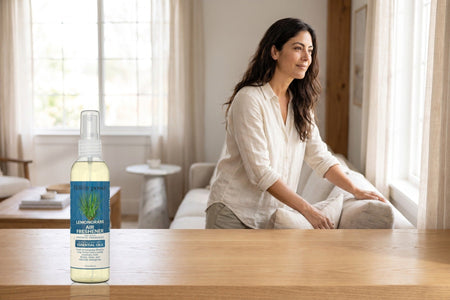
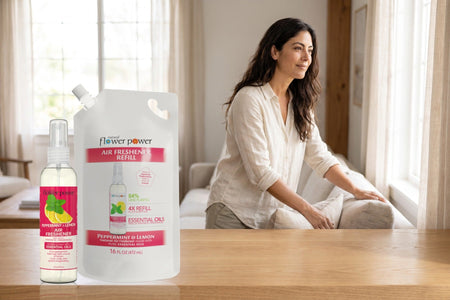
Natural Flower Power uses polysorbate 20 in its air fresheners.
Our air fresheners are water-based sprays that contain essential oil blends for fragrance. Essential oils do not dissolve in water on their own — without an emulsifier, the oils would separate, float to the top, and the spray would deliver inconsistent bursts of concentrated oil followed by plain water. Polysorbate 20 keeps the essential oils evenly distributed so every spray delivers a consistent scent. We chose polysorbate 20 over other emulsifiers because of its high HLB value, which is well-matched to solubilizing the small essential oil concentrations in our spray formulas. It is vegetable-derived (from coconut-sourced lauric acid and plant-derived sorbitol) and allows us to maintain a high plant-derived content percentage in the air freshener line.
Related Ingredients
Alcohol ethoxylates (C6-C12 / C10-C16) are another type of emulsifier used in NFP products, though they serve a different function — they primarily aid cleaning and oil removal in dish soaps rather than essential oil solubilization. SD Alcohol 40B also helps essential oils disperse in NFP's air freshener formulas, working as a co-solvent alongside polysorbate 20. Polysorbate 80 is a closely related emulsifier with a longer fatty acid chain (oleic acid instead of lauric acid), giving it a slightly lower HLB value and different solubilizing characteristics.
Sources
- Cosmetic Ingredient Review (CIR). "Final Report on the Safety Assessment of Polysorbates 20, 21, 40, 60, 61, 65, 80, 81, and 85." International Journal of Toxicology, vol. 24, Suppl. 2, 2005, pp. 1–102. Reaffirmed 2015.
- U.S. Food and Drug Administration. 21 CFR 172.840 — Polysorbate 20.
- Rowe, R.C., et al. Handbook of Pharmaceutical Excipients. 6th ed., Pharmaceutical Press, 2009.
