


TL;DR: Plant-derived surfactants — coco-glucoside, decyl glucoside, sodium coco-sulfate — are made from coconut oil, corn sugars, and similar feedstocks instead of petroleum. They clean through the same chemistry as conventional surfactants but break down faster in waterways and irritate less on skin. This walks through the most common plant-derived surfactants, where they come from, and how they perform.
If you've bought a cleaning product labeled "plant-derived" or "bio-based," you've bought something built on surfactants. Surfactants are the working ingredient that actually lifts dirt and grease from surfaces and suspends it in water so it rinses away. Without them, you'd just have water, and water alone doesn't clean much of anything.
The choice between plant-derived surfactants and petroleum-based ones shapes the entire product. It determines how the ingredient is sourced, how it's manufactured, whether it biodegrades readily, how much it costs, and how it performs on your dishes or hands. But here's what the label won't tell you: calling something "plant-derived" simplifies a complex manufacturing process and hides real tradeoffs that most people don't understand.
After fourteen years formulating cleaning products and testing surfactants directly with customers in our facility, we've learned that "plant-derived" means something specific about where the feedstock starts, but very little about what happens to it in a factory. This distinction matters if you actually want to understand what you're buying.
What Surfactants Actually Do
Water and oil don't naturally mix. A surfactant is a molecule with one end that loves water and one end that loves oil. This split structure lets surfactants break the surface tension that repels greasy dirt, allowing water and oil to mix. When you add a surfactant and agitate, the molecules cluster into tiny capsules called micelles that trap dirt and suspend it in water where it rinses away.
The chemistry of the surfactant—its molecular structure, charge, and size—determines how effectively it breaks surface tension, how much it foams, how it performs in hard water, how quickly it biodegrades, and how gentle it is to skin. The source—whether from oil wells or coconut meat—doesn't directly affect these functional properties. What matters is the chemistry that comes after.

What we make for this
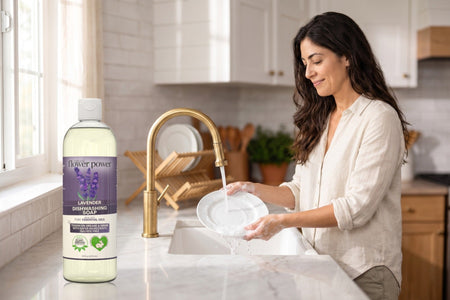


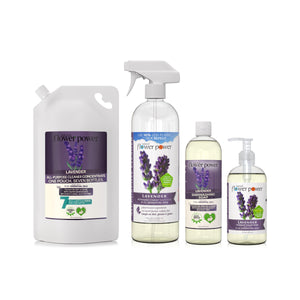
Where Plant-Derived Surfactants Start—And What Happens Next
Most plant-derived surfactants come from coconut oil, palm oil, corn, sunflower, or other renewable sources. But "plant-derived" simplifies a complex manufacturing process. To make a surfactant from coconut oil, you break apart the fatty acids and chemically modify them. You might add a sulfate group through sulfonation (reacting with sulfuric acid), or react them with glucose to create a glucoside surfactant. Each process requires industrial chemistry equipment, specific temperatures, pH control, and additional chemical inputs. The end result is a synthetic molecule derived from plants—not a simple extract.
"Plant-derived" tells you where the feedstock starts, not what the manufacturing process looked like. It doesn't mean the process was gentle or free of synthetic chemicals. It does tell you that the source is renewable and theoretically biodegradable. That's a real advantage, but not the same thing as "natural" in the way most people imagine it.
The Main Plant-Derived Surfactant Types (And Their Real Tradeoffs)
Not all plant-derived surfactants are the same. We use several different types across our product line because different applications require different chemistry. Here's what each one actually is, how it's made, and what it can and can't do.
Sodium Coco-Sulfate (SCS). Often confused with sodium lauryl sulfate (SLS), but different. SLS is a single molecule from one coconut fatty acid; SCS is a blend from all of them, making it gentler but slightly less efficient. It biodegrades better than SLS and is milder to skin, but it's still a chemical synthesis, not an extraction.
Decyl Glucoside. Made by combining glucose with a plant-derived fatty alcohol. It's gentle and produces rich foam. We use it in hand soaps because it cleanses without stripping skin. The tradeoff: it's mild, so it requires more contact time and sometimes higher water temperature to cut through heavy grease than stronger petroleum-derived surfactants.
Coco-Betaine (Cocamidopropyl Betaine). By itself, not a strong cleaner, but excellent for boosting foam and reducing irritation when used with other surfactants. It makes products feel richer without harshness.
Saponified Plant Oils. The reaction between plant oil and an alkaline base creates soap—the closest thing to a simple, ancient process. The tradeoff: poor performance in hard water and pH-dependence. They work well in soft water but can underperform in some household situations.
The Real Tradeoffs
We chose plant-derived surfactants because after testing and customer feedback, we believe they deliver the best combination of performance, gentleness, and environmental impact for our market. But they come with real limitations.
Cost: Plant-derived surfactants cost roughly 2-3 times as much as petroleum-based ones. This gets passed directly to customers, which is why our dish soap is more expensive than mass-market alternatives.
Hard water performance: Many plant-derived surfactants don't perform as well with mineral-rich water. If you have very hard water, our products might not lather as richly or clean as quickly as conventional ones. Hard water minerals interfere with how these surfactants work fundamentally.
Shelf life: Plant-derived surfactants are more vulnerable to oxidation. Our products have a more limited window before efficacy degrades. We manage this with careful packaging, but we can't promise multi-year stability like conventional products offer.
Foam behavior: Some plant-derived surfactants produce rich, quick-forming foam that doesn't persist as long. This doesn't affect cleaning power—it's purely psychological. Our products clean just as effectively, but the sensory experience is different.
Sourcing: Coconut and palm oil feedstocks come with agricultural impact considerations. Palm oil has been linked to deforestation; coconut oil is better but still requires land and resources. There's no perfectly impact-free surfactant. We source from suppliers maintaining sustainability standards, but acknowledge this is an area for improvement.
Why We Chose Plant-Derived (And What That Actually Means)
In 2012, we started formulating with a straightforward question: what ingredients work best for what our customers need? We didn't start with ideology and work backward. We started with testing, customer feedback, and reformulation.
What we found was that customers—particularly those with skin sensitivities, parents with young children, and people concerned about what they're putting in their homes—responded well to plant-derived formulations. The additional cost was worth paying because it gave us access to formulation tools that worked well together.
We also found that transparency about what these surfactants actually are mattered more to customers than marketing shorthand. When we explain that plant-derived doesn't mean simple and doesn't mean there are no tradeoffs, customers respect that honesty. There's a real difference between a company that understands surfactant chemistry and one that's just chasing the "plant-derived" trend. You can identify the difference by how they talk about tradeoffs. If they're not acknowledging limitations, they're either not being honest or don't understand their ingredients well enough to explain them.
Biodegradation: The Real Story
Plant-derived surfactants do biodegrade more readily than many petroleum alternatives. But biodegradation doesn't mean "disappears with no effect." It means surfactant molecules break down into simpler compounds over time in the presence of microorganisms, rather than persisting unchanged for years. The timeline is weeks to months for plant-derived surfactants versus months to years for some petroleum-based ones, reducing long-term bioaccumulation in aquatic ecosystems.
That said, biodegradability is one piece of environmental impact. Manufacturing, energy input, transportation, packaging, and water use all matter too. A plant-derived surfactant manufactured overseas and shipped globally might have a larger footprint than a petroleum-derived surfactant made locally. When evaluating environmental impact, biodegradability is worth considering but isn't the whole story. We link to detailed sourcing information on Our Story & Standards rather than claiming we're simply "better" for the environment. The reality is more nuanced.
Reading the Label Honestly
Look for specific surfactant names like "sodium coco-sulfate," "decyl glucoside," "cocamidopropyl betaine," or "saponified coconut oil." If a label just says "surfactants" without naming them, you're not getting transparency. Order matters too—ingredients are listed by concentration, so surfactants near the top are major components.
Recognize that "natural surfactant" isn't regulated and can mean various things. The specific ingredient name matters. For our products on hand soaps, dish soaps, and all-purpose cleaners, every ingredient is listed specifically. This transparency isn't marketing—it's how products should be labeled. Every NFP product is backed by our 90-Day Love-It Guarantee — if it doesn't work for your household, we make it right.
The biosurfactant market is growing—industry data shows natural solutions represent about 40% of total surfactant use. But the basics won't change: plant-derived surfactants will still require chemical manufacturing and have specific tradeoffs. What matters is the difference between genuine plant-derived formulation—where a company tests alternatives, makes deliberate choices, and acknowledges tradeoffs—and green marketing that just slaps the label on for perception.
We chose plant-derived surfactants because after fourteen years of formulation, we've concluded they're the right tool for our customers. Understanding what that choice actually means—not what it sounds like in an advertisement—is the start of evaluating any cleaning product honestly.
