
This ingredient is used in our products.
What It Is
Vegetable glycerine (also called glycerol or glycerin) is a simple polyol compound with the chemical formula C₃H₈O₃ (CAS 56-81-5). It is a clear, odorless, viscous liquid with a mildly sweet taste. "Vegetable" glycerine specifically refers to glycerol derived from plant oils — typically soybean, palm, or coconut — rather than animal fats or petroleum. Its primary function in cleaning and personal care products is as a humectant and skin conditioner.
What we make for this



Common Uses
Glycerine is one of the most widely used ingredients in personal care and household products. It appears in hand soaps, body washes, lotions, toothpastes, shaving creams, and hair care products as a moisturizing agent. In cleaning products like dish soaps and hand soaps, it counteracts the drying effects of surfactants on skin. Glycerine is also used extensively in food products, pharmaceuticals, and e-cigarette liquids as a solvent and humectant.
How It Works
Glycerine is hygroscopic — it attracts and holds water molecules from its surrounding environment. Each glycerine molecule has three hydroxyl (-OH) groups, which form hydrogen bonds with water. When applied to skin (or left on skin after rinsing a soap), glycerine draws moisture from the air and from deeper skin layers toward the surface, helping to maintain hydration.
In surfactant-based products like hand soaps and dish soaps, glycerine serves a specific compensatory role. Surfactants strip oils from skin along with dirt, which can leave hands feeling dry or tight after washing. Glycerine partially offsets this effect by depositing a thin moisture-attracting layer. It does not repair the skin barrier or replace lost oils — it simply helps the outermost layer of skin retain more water between washes.
Safety and Regulation
Glycerine is classified as Generally Recognized As Safe (GRAS) by the FDA for food use (21 CFR 182.1320). The Cosmetic Ingredient Review (CIR) Expert Panel concluded that glycerin is safe as a cosmetic ingredient without concentration limits (CIR, 2014 reaffirmation). It has been used in pharmaceutical, food, and cosmetic applications for over a century.
The FDA also lists glycerin as an approved over-the-counter skin protectant at concentrations between 20% and 45% (21 CFR 347.10). At the much lower concentrations found in liquid soaps and cleaners (typically 0.5%–5%), glycerine has no documented irritation, sensitization, or toxicity concerns. It is one of the most extensively safety-tested ingredients in commercial use.
Why Natural Flower Power Uses It
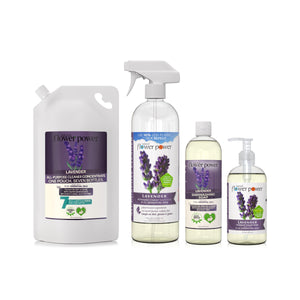
Natural Flower Power uses vegetable glycerine in its hand soaps and dish soaps.
Plant-derived surfactants are gentler than their synthetic counterparts, but they still remove oils from skin — that is literally their job. Glycerine helps offset that drying effect so your hands do not feel stripped after every wash. We specifically use vegetable-sourced glycerine (from plant oils, not petroleum or animal fat) because it maintains our plant-derived content percentage across the formula. The amount we use is enough to make a noticeable difference in skin feel after washing, but not so much that it leaves a slippery residue or interferes with the surfactant performance.
Related Ingredients
Aloe vera serves a complementary skin-conditioning function in NFP's hand soaps, providing soothing properties alongside glycerine's humectant action. Vitamin E (tocopherol) is another skin-conditioning ingredient used across NFP's product line, though it functions as an antioxidant rather than a humectant. Propylene glycol is a petroleum-derived humectant that serves a similar moisture-retaining function but is not used by Natural Flower Power.
Sources
- Cosmetic Ingredient Review (CIR). "Safety Assessment of Glycerin as Used in Cosmetics." 2014 Reaffirmation of the 1999 safety assessment.
- U.S. Food and Drug Administration. 21 CFR 182.1320 — Glycerin, GRAS.
- U.S. Food and Drug Administration. 21 CFR 347.10 — Skin Protectant Active Ingredients.
- Fluhr, J.W., et al. "Glycerol and the Skin: Holistic Approach to Its Origin and Functions." British Journal of Dermatology, vol. 159, no. 1, 2008, pp. 23–34.
