
This ingredient is used in our products.
What It Is
Aloe barbadensis leaf juice, commonly called aloe vera, is the clear gel-like liquid extracted from the inner leaf of the Aloe barbadensis plant (CAS 85507-69-3). The gel contains a complex mixture of polysaccharides (primarily acemannan), glycoproteins, amino acids, vitamins, and minerals. In personal care and cleaning products, aloe vera functions as a skin conditioner and soothing agent.
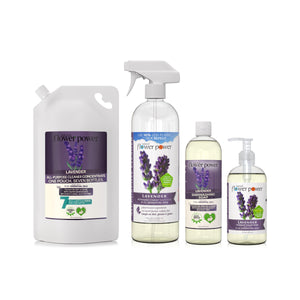
What we make for this



Common Uses
Aloe vera appears in a wide range of personal care products: hand soaps, body lotions, sunburn treatments, facial moisturizers, shampoos, and after-shave products. In hand soaps and body washes, it is typically added at low concentrations (0.1%–2%) to provide skin-soothing properties and offset dryness from surfactants. It is also used in some household cleaning products marketed for skin gentleness. Aloe vera juice is additionally sold as a dietary supplement and food ingredient.
How It Works
Aloe vera's skin-conditioning effects come primarily from its polysaccharide content, particularly acemannan. These long-chain sugar molecules form a thin film on the skin surface that helps retain moisture and provides a soothing sensation. Acemannan also has documented anti-inflammatory properties — it modulates cytokine production, which is part of why aloe vera has a long history of use on burns and irritated skin.
In a hand soap formulation, aloe vera works differently than it does in a leave-on lotion. Most of it rinses off with the soap. The portion that remains deposits on the skin surface during the wash, providing a brief conditioning effect. It does not penetrate deeply or produce dramatic results at hand-soap concentrations, but it contributes to a noticeably softer skin feel compared to formulations without it.
Safety and Regulation
The Cosmetic Ingredient Review (CIR) Expert Panel assessed aloe barbadensis leaf juice and 15 related aloe-derived ingredients in 2007 (amended 2015) and concluded they are safe as cosmetic ingredients in current practices of use when formulated to be non-sensitizing (CIR, 2007). The Panel noted that while whole-leaf aloe extracts contain anthraquinones (which have laxative and potentially genotoxic properties), the inner leaf gel used in cosmetics has substantially lower anthraquinone content.
The FDA does not regulate aloe vera in cosmetics beyond general safety requirements. As a dietary supplement ingredient, aloe vera has been the subject of FDA advisory actions related to anthraquinone content in oral products, but these concerns do not apply to topical use in rinse-off products at cosmetic concentrations.
Contact allergy to aloe vera is rare but documented in dermatological literature. Sensitization has been associated primarily with specific aloe compounds (such as aloin) rather than the purified gel used in cosmetic formulations.
Why Natural Flower Power Uses It
Natural Flower Power uses aloe vera in its hand soaps.
We include it specifically in hand soaps — not in dish soaps or all-purpose cleaners — because hand soaps are the one product line where skin conditioning matters most. People wash their hands many times a day, and the cumulative drying effect of surfactants is real. Aloe vera works alongside vegetable glycerine and vitamin E in our hand soap formula to keep skin from feeling stripped after repeated washing. We do not include aloe in our dish soaps because dish soap formulations prioritize grease-cutting performance, and the addition of conditioning agents at meaningful levels would interfere with that.
Related Ingredients
Vegetable glycerine serves a complementary humectant function in NFP's hand soaps, drawing moisture to the skin surface while aloe vera provides soothing and film-forming properties. Vitamin E (tocopherol) is another skin-conditioning ingredient in the same formulas, functioning as an antioxidant. Chamomile extract is a botanically derived skin-soothing alternative that appears in some competing hand soap formulations but is not used by Natural Flower Power.
Sources
- Cosmetic Ingredient Review (CIR). "Final Report on the Safety Assessment of Aloe Andongensis Extract and 15 Other Aloe-Derived Ingredients." International Journal of Toxicology, vol. 26, Suppl. 2, 2007, pp. 1–50. Amended 2015.
- Hamman, J.H. "Composition and Applications of Aloe Vera Leaf Gel." Molecules, vol. 13, no. 8, 2008, pp. 1599–1616.
- Reynolds, T., and Dweck, A.C. "Aloe Vera Leaf Gel: A Review Update." Journal of Ethnopharmacology, vol. 68, no. 1–3, 1999, pp. 3–37.
