
What It Is
Phenoxyethanol is a glycol ether preservative with the chemical formula C8H10O2 (CAS 122-99-6). It is a colorless, slightly viscous liquid with a faint rose-like odor. Phenoxyethanol occurs naturally in green tea and chicory but is produced synthetically for commercial use through the reaction of phenol with ethylene oxide. It functions as a broad-spectrum antimicrobial preservative and has become one of the most popular paraben alternatives in the personal care industry.
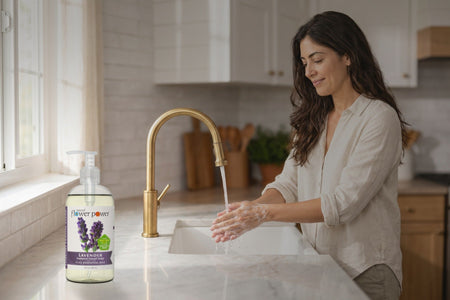
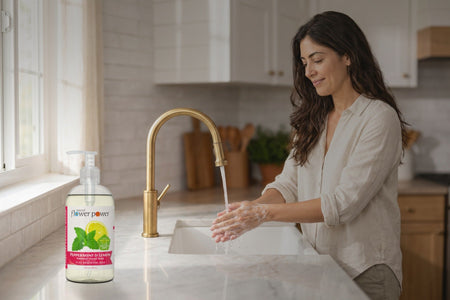
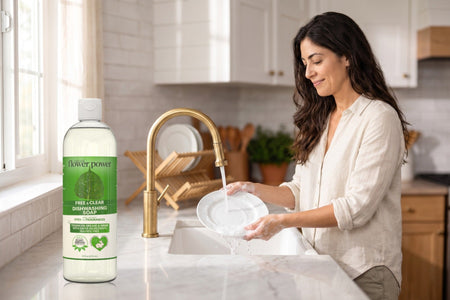
What we make for this
Common Uses
Phenoxyethanol is used in moisturizers, sunscreens, shampoos, conditioners, makeup, baby wipes, and some household cleaning products. Its popularity surged as the personal care industry moved away from parabens and formaldehyde-releasing preservatives in the 2010s. Phenoxyethanol is typically used at concentrations of 0.5%-1.0% in cosmetics. It is often combined with ethylhexylglycerin, which enhances its antimicrobial activity and allows for lower use concentrations.
How It Works
Phenoxyethanol works by disrupting microbial cell membrane integrity and inhibiting cellular respiration. Its phenyl group allows it to partition into lipid-rich cell membranes, while its ethanol group provides some water solubility. This dual character enables it to destabilize microbial membranes and interfere with energy production. Phenoxyethanol is effective against gram-negative bacteria (including Pseudomonas aeruginosa) and has moderate activity against gram-positive bacteria and fungi.
Its effectiveness against Pseudomonas is particularly valued because this genus is resistant to many other preservatives and is a common contaminant in water-based cosmetic and cleaning products.
Safety and Regulation
The CIR Expert Panel concluded that phenoxyethanol is safe as a cosmetic ingredient at concentrations up to 1.0% (CIR, 2007; reaffirmed 2019). The EU Cosmetics Regulation permits phenoxyethanol at up to 1.0% in cosmetic products (Annex V, Entry 29). Japan restricts phenoxyethanol to 1.0% in cosmetics.
In 2008, the FDA issued a warning about a specific brand of nipple cream containing phenoxyethanol, noting that phenoxyethanol can depress the central nervous system and may cause vomiting and diarrhea in infants if ingested (FDA, 2008). This advisory was specific to an oral exposure scenario involving infants nursing from treated skin, not to general topical use in adults. The concern prompted some manufacturers of baby products to remove phenoxyethanol from their formulations.
Skin sensitization to phenoxyethanol is rare at cosmetic use concentrations but has been documented in patch-testing literature.
Why Natural Flower Power Does Not Use It
Natural Flower Power does not use phenoxyethanol in any product.
Phenoxyethanol is a legitimate, well-performing preservative -- its rise as a paraben replacement is justified by its broad-spectrum activity and relatively favorable safety profile. Our reason for not using it is practical rather than safety-driven: phenoxyethanol requires concentrations of 0.5%-1.0% to be effective, which is 100-200 times higher than the approximately 0.005% at which BIT operates in our formulations. Using BIT at such low concentrations allows us to maintain a higher percentage of plant-derived content in our finished products. If we switched to phenoxyethanol, the plant-derived content percentage would drop noticeably because phenoxyethanol is synthetic and would constitute a much larger portion of the formula.
Related Ingredients
Benzisothiazolinone (BIT) is the preservative Natural Flower Power uses, effective at concentrations approximately 100-200 times lower than phenoxyethanol. Methylparaben is the paraben that phenoxyethanol most commonly replaces in modern reformulations. Methylisothiazolinone (MIT) is another non-paraben preservative, though with much higher allergenicity than phenoxyethanol.
Sources
- Cosmetic Ingredient Review (CIR). "Safety Assessment of Phenoxyethanol When Used as a Cosmetic Ingredient." 2007; reaffirmed 2019.
- U.S. Food and Drug Administration. "FDA Warns Consumers Against Using Mommy's Bliss Nipple Cream." FDA Consumer Advisory, 2008.
- European Commission. Regulation (EC) No 1223/2009. Annex V, Entry 29.
